
Yes, a magnetic Starlink mount can stay in place when your vehicle is stationary (parked) or in motion. However, it must be a good-quality magnetic mount capable of counteracting both the sliding force and wind resistance, which increase significantly as the vehicle speeds up.
4 Key Points to Consider When Choosing a Magnetic Starlink Mount for Vehicles
- A magnetic Starlink mount that uses heavy-duty neodymium magnets.
- A magnetic Starlink mount with multiple magnets for better weight distribution.
- A magnetic Starlink mount with high magnetic strength density for a stronger grip.
- A magnetic Starlink mount with a low-profile design to prevent aerodynamic lift.
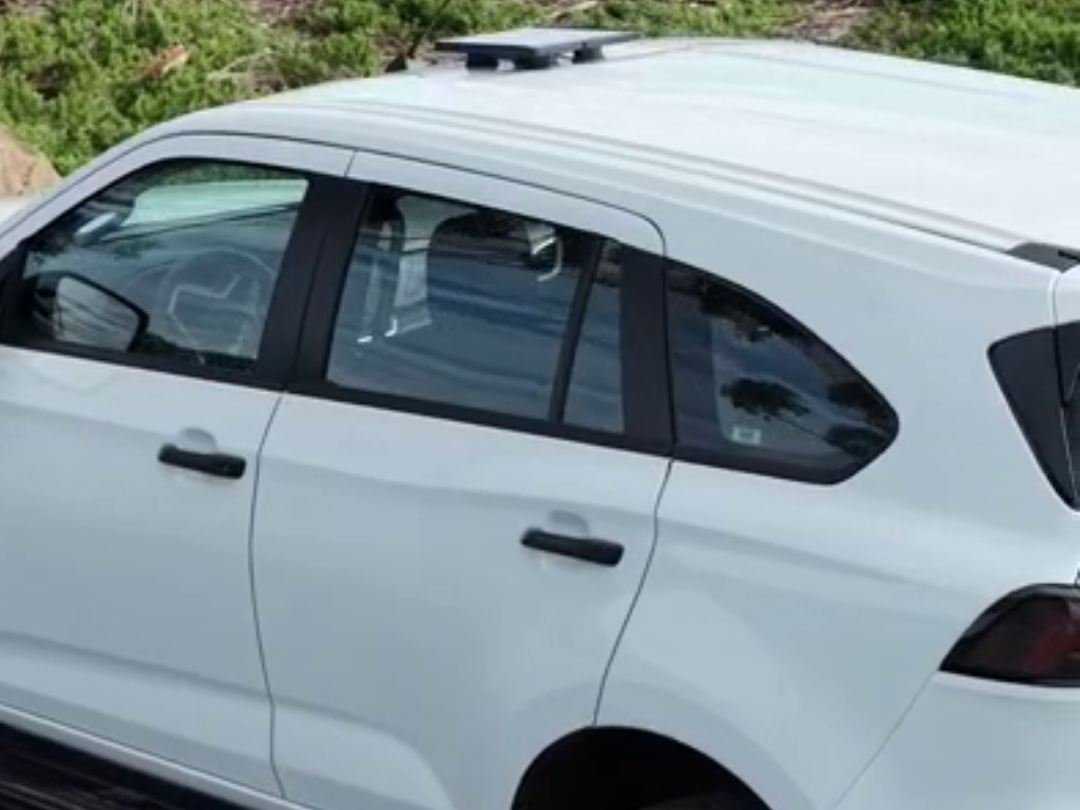
Magnetic Starlink Mount for Mini dish on a white SUV car while driving on untarmacked road
Basic Structure of a Magnetic Starlink Mount for Vehicles
Magnetic mounts are among the most popular mounting accessories for Starlink antennas, especially the Starlink Mini, on vehicles. They feature a base with strong magnets that attach the mounting frame to the roof, sidewall, or bonnet using magnetic force.
For the magnetic Starlink mounts I’ve examined so far, the basic structure consists of rubber-coated N50 magnets and a metal or plastic frame.
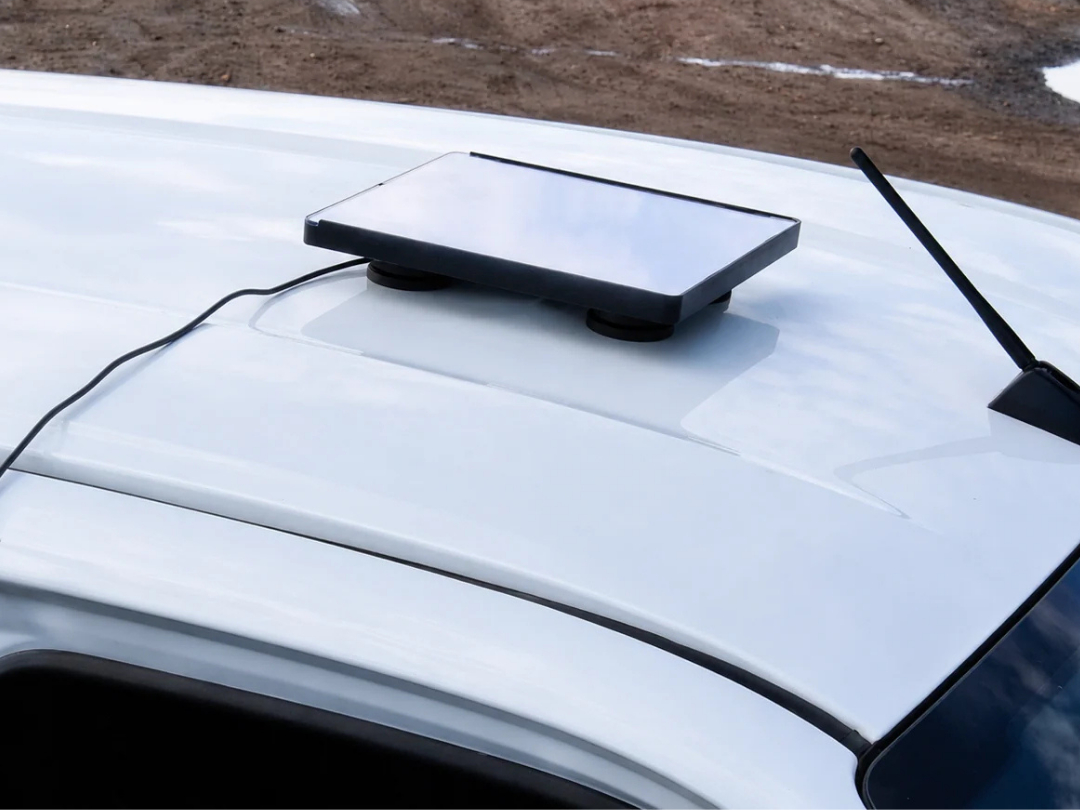
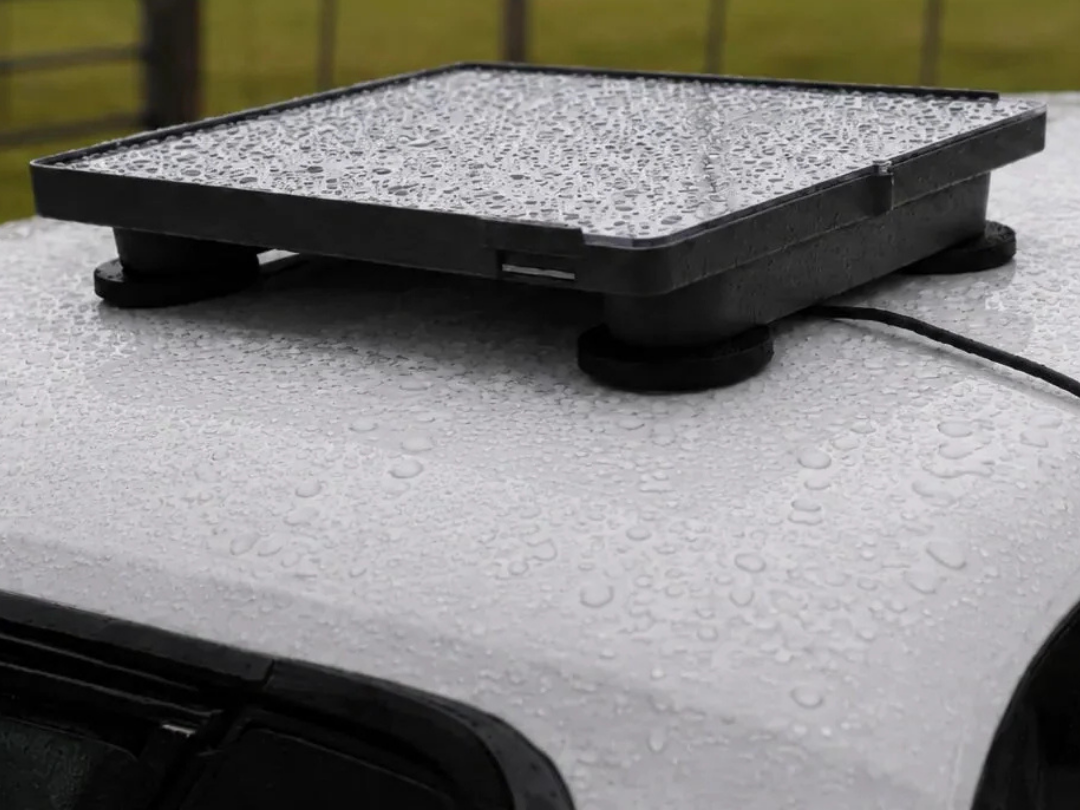
N50 rating means the magnets are made of neodymium and have a maximum magnetic energy product of 50 MGOe. This provides a stronger magnetic hold than lower-grade neodymium magnets, such as N42 or N35.
The actual magnetic holding strength of the N50 magnets depends on their size, with most ranging from 15 kg to 25 kg per disc. If the mounting frame of a Starlink mount has four fixing points for the magnets, as most do, the combined magnetic holding force would range from 60 kg to 100 kg.
The mounting frame itself is usually made of metal—like aluminium— or plastic, such as ABS. Personally, I recommend the aluminium frame because it is more durable and offers high resistance to stress and weather-related damage. But a high-impact ABS frame is still a durable option and a good choice if you’re on a limited budget.
Setting Up and Using a Magnetic Starlink Mount on a Vehicle
Magnetic Starlink mounts are straightforward to assemble and use. You simply attach the magnetic discs to the bottom of the mounting frame. Then, fit your Starlink dish on top and attach the entire unit to the surface of your vehicle.
If your vehicle’s surface is non-magnetic, such as aluminium or fibreglass, you can use 3M adhesive discs for magnetic mounts. These allow you to create magnetic attachment points on a non-magnetic surface where you can secure the mount.
As mentioned above, a high-quality Starlink magnetic mount can provide a combined magnetic holding force of up to 100 kg. This can provide a strong grip that helps keep your dish in place even when the vehicle is moving.
In the four Starlink Mini magnetic mounts I’ve examined, you get four rubber-coated N50 magnets. The four-magnet arrangement helps distribute the antenna’s weight evenly while resisting sliding forces caused by wind and vehicle movement.
The soft rubber coating is not just for protecting the vehicle’s paint from scratches, as many people assume. It also increases friction between the magnets and the vehicle’s surface, helping to strengthen the mount’s resistance to sliding under wind loads.
You should also know that the overall height of a magnetic Starlink mount contributes to aerodynamic drag while driving. A low-profile mount that keeps your dish as close to the roofline as possible reduces the surface area exposed to oncoming air. This, in turn, helps prevent wind from getting underneath the dish and creating excessive lifting force.
Please Note:
A magnetic holding-force rating alone does not guarantee that a mount will remain secure at highway speeds or on rough terrain. The actual performance of a magnetic Starlink mount depends on other factors, like the vehicle’s surface, paint condition, magnet contact, wind loads, mounting design.
Therefore, always follow the manufacturer’s instructions on installation on use while driving to be on the safe side.