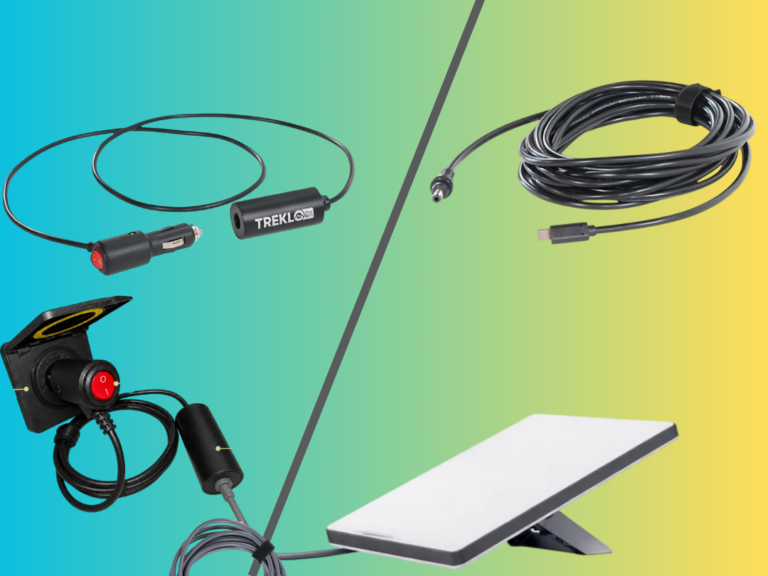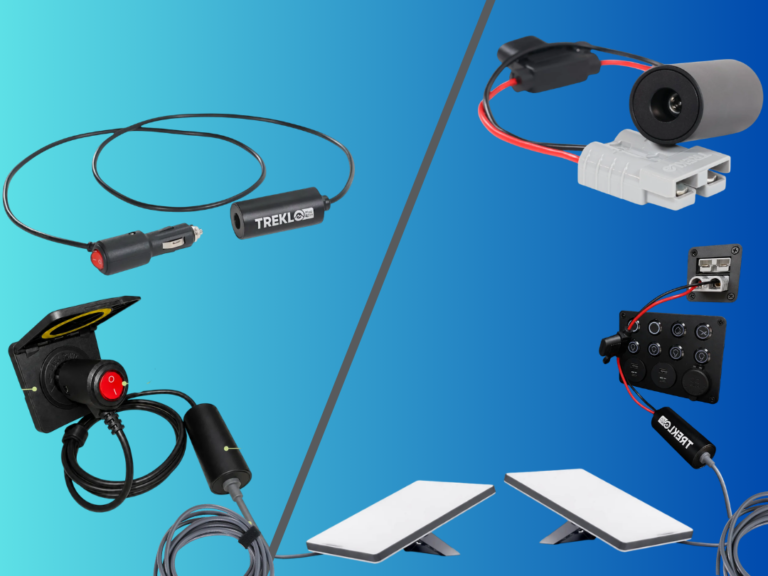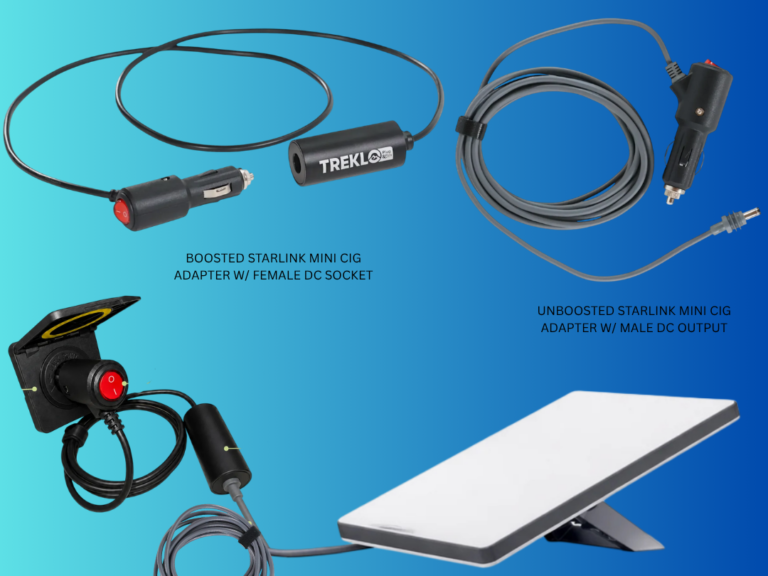

When buying a Starlink Mini 12V power supply for your car, truck, or adventure vehicle, you can go with either a standard (unboosted) option or the latest boosted version. Ultimately, both power your Starlink internet setup from your vehicle’s battery, thereby more efficient than inverters. The differences lie in the overall user experience, including cable length limitations, battery compatibility, and the effectiveness of the snow-melt mode.
Key Differences Between Unboosted vs Boosted Starlink Mini 12V Power Supply
- Unboosted Starlink Mini 12V power adapters provide the battery’s raw voltage.
- Boosted Starlink Mini 12V power adapters deliver a 30V DC output.
- Unboosted Starlink Mini 12V power adapters work best with lithium batteries.
- Boosted Starlink Mini 12V power adapters work well with both lithium and lead-acid batteries.
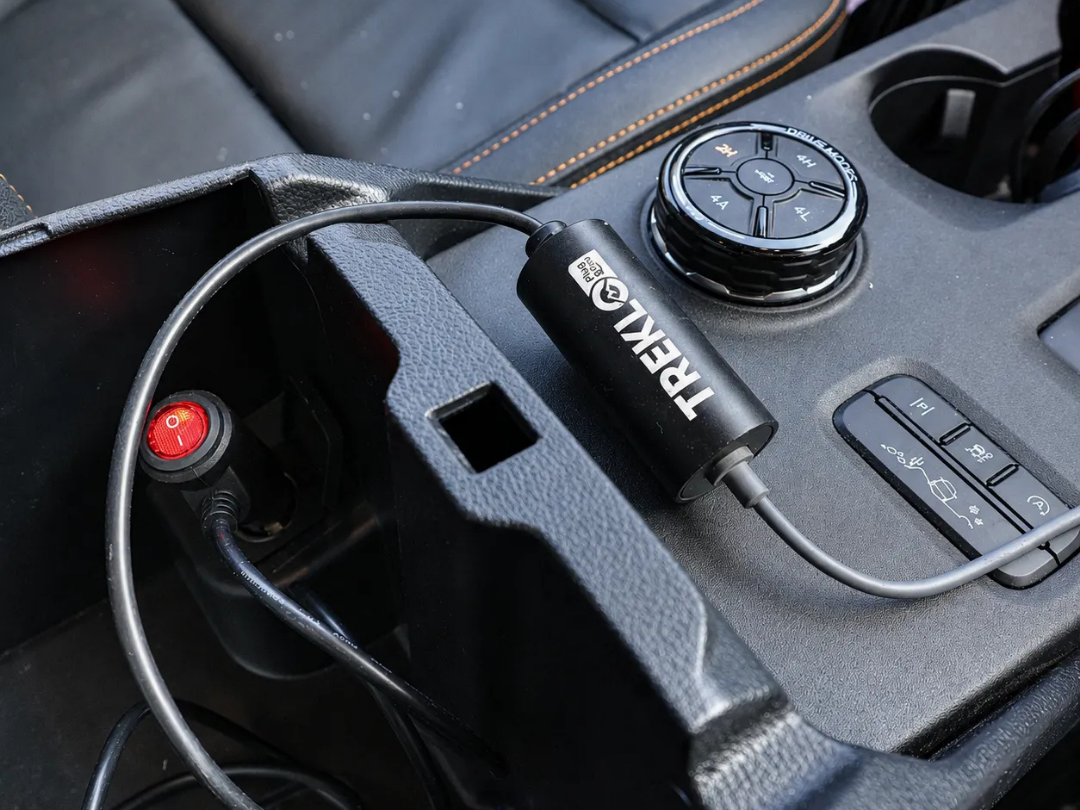
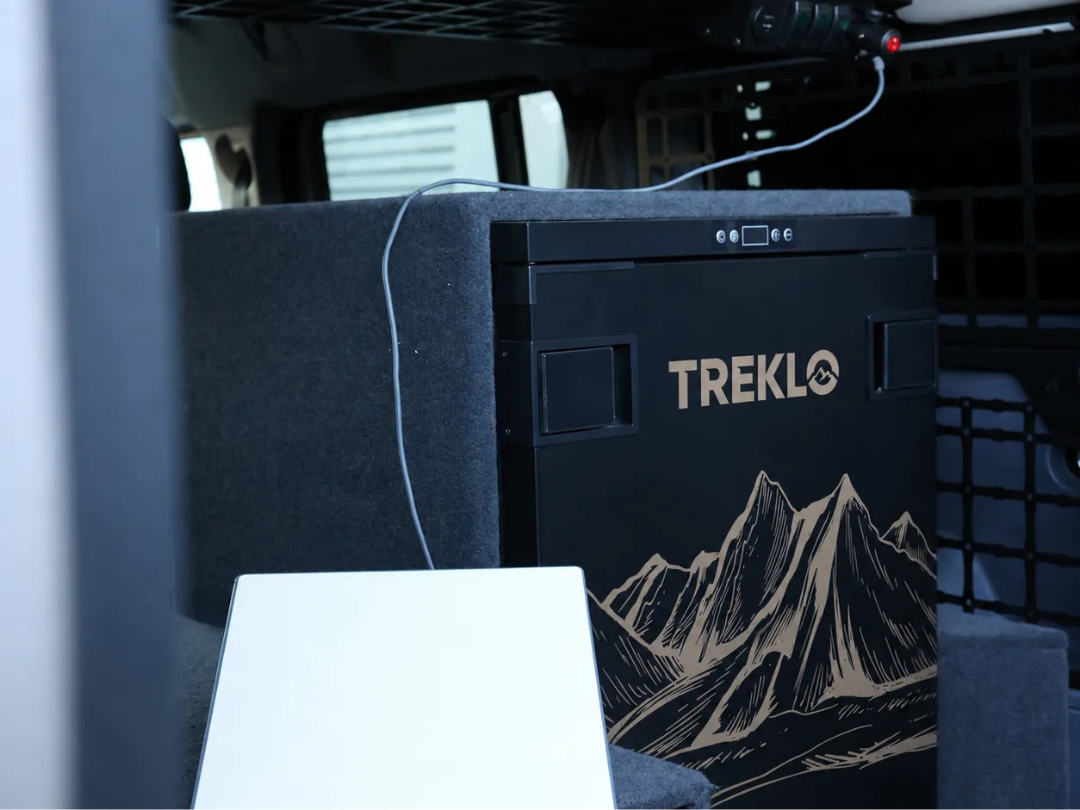

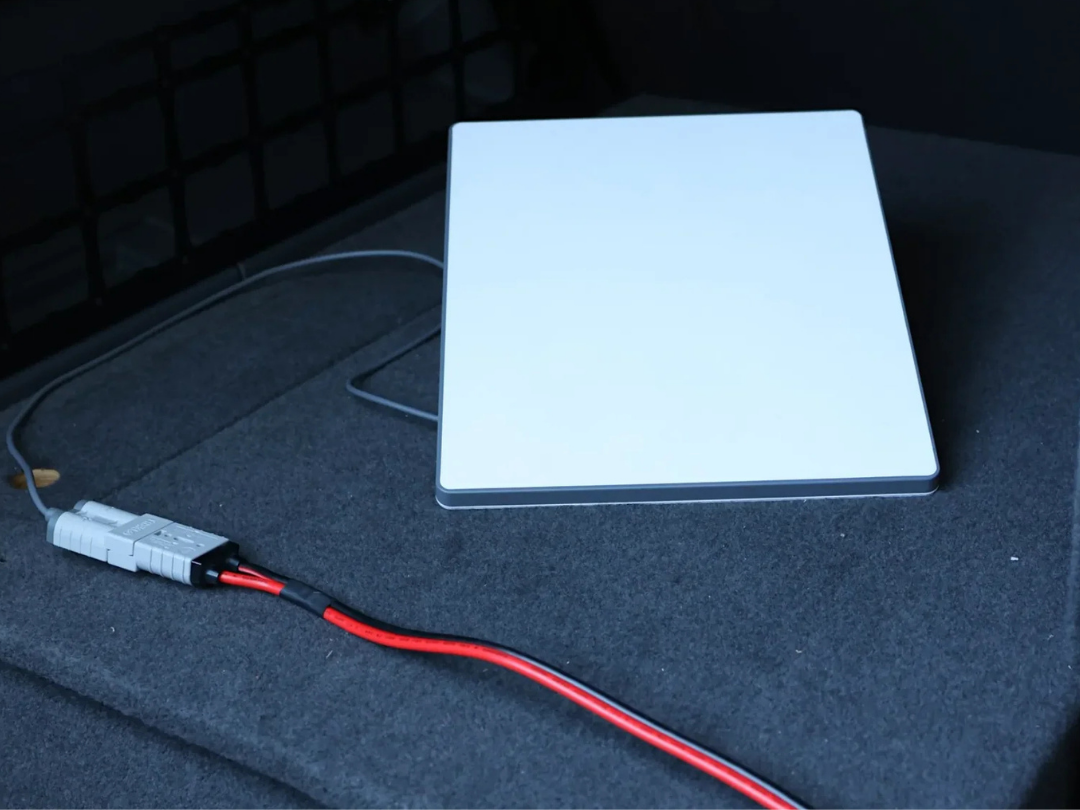
Summary of Unboosted vs Boosted Starlink Mini 12V Power Supply Systems
A boosted power adapter is the best 12V Starlink Mini powering solution because it converts your battery’s 12-volt supply into a stable 30V output. This matches the output voltage of the factory Starlink Mini 240V AC adapter, allowing you to retain all the dish’s functionalities, including using the factory 15-metre cable and the snow-melt mode.
Unboosted Starlink Mini 12V power adapters can still power your off-grid internet setup effectively. After all, the Starlink Mini accepts an input voltage of 12–48V, with an average power consumption of 22–30W and peak consumption of 40–60W. These power requirements are generally within the capabilities of DC outlets, such as cigarette lighter sockets and Anderson plugs, when supplied directly by a battery.
That said, DC power cables are inherently prone to voltage drop due to the internal resistance of their conductors. In extreme cases, this voltage drop can reduce the power reaching the Starlink Mini dish to the point where it falls below 12V. When that happens, your Starlink internet setup will shut down.
For an unboosted Starlink Mini 12V power supply to work effectively, it must minimise voltage drop. This requires a short or sufficiently thick Starlink power cable to keep electrical resistance low.
Keep in mind that high current draws can also cause temporary voltage drops—which we call voltage sag. In a Starlink setup, this is most likely to occur during high-load operations, particularly when using snow-melt mode.
Discharge Cycles Between Unboosted vs Boosted Starlink Mini 12V Power Supply
Voltage drop is not just an issue with long cables and high-current draw. Different types of batteries behave differently during discharge cycles, which can also affect voltage drop and the performance of your Starlink Mini 12V power supply adapter.
- LiFePO4 lithium batteries are by far the best DC power sources for running your electronics while off-grid. They have very low internal resistance, which keeps the discharge curve nearly flat and the voltage output above 13V about 90% of their discharge cycle. The voltage drops below 13V when the battery is almost drained (at around 10% state of charge).
- Lead-acid batteries, in contrast, often experience significant voltage drops during discharge due to their higher internal resistance. For instance, a 12V battery may drop to 12.0V or even lower under a moderate or heavy load. This can happen even with a fully charged battery, which is why monitoring their charge levels while in use is often tricky and may produce misleading readings.
In other words, a lithium battery can reliably power your Starlink Mini through either a boosted or unboosted power adapter, even when the battery is not charging. With an unboosted adapter, you can also use a longer cable because the setup has a full 1V of headroom to accommodate moderate voltage drops.
If you’re using a lead-acid battery, though, you should consider using a shorter Starlink cable to minimise voltage drop. A longer cable will increase the voltage drop, further reducing the voltage available from your already low-voltage supply. The only time it’s safe to use your 12V Starlink Mini power adapter with a long cable is when your lead-acid battery is charging, as its voltage will be above 13V—typically 13.7V to 14.7V.